Hixon Rail Crash: What Happened, Causes, Victims, Inquiry & Lasting Railway Safety Legacy

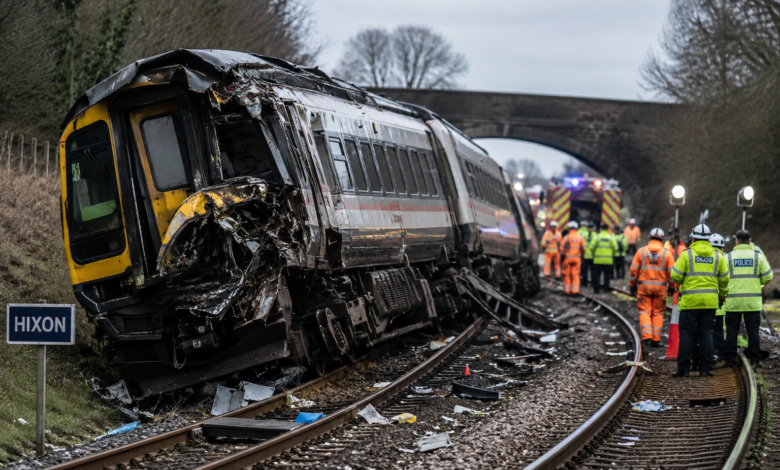
The Hixon Rail Crash is remembered as one of the most important railway disasters in British history. Taking place on 6 January 1968 in the village of Hixon, Staffordshire, the tragedy involved a British Rail express train colliding with a heavy low-loader transporting a massive electrical transformer across an automatic level crossing. The accident resulted in the loss of eleven lives, injured dozens of passengers, and highlighted critical weaknesses in railway safety procedures that demanded immediate attention.


Even decades later, the Hixon Rail Crash continues to be studied by railway historians, engineers, and transport safety experts. The lessons learned from the disaster reshaped level crossing regulations and communication procedures across the United Kingdom. This article explores the history of the accident, the causes, the victims, the official inquiry, and the long-lasting influence the disaster has had on modern railway safety.
What Was the Hixon Rail Crash?
The Hixon accident occurred when a low-loader carrying a transformer weighing around 120 tons attempted to cross an automatic half-barrier railway crossing. Because of its exceptional weight and length, the transporter became grounded on the crossing. At almost the same time, a high-speed passenger express approached, leaving very little opportunity to prevent the collision despite emergency braking by the train driver.
The tragedy instantly became one of Britain’s most discussed transport accidents. Before the incident, automatic half-barrier crossings were considered a modern improvement for road traffic. However, the collision demonstrated that these systems could still present serious risks when oversized road vehicles crossed railway lines without sufficient communication or planning.
Hixon Rail Crash 1968 Timeline
The events leading to the Hixon Rail Crash 1968 began with what appeared to be a routine transport operation. A specialist haulage company was moving a heavy electrical transformer through Staffordshire using a large low-loader vehicle. Due to the enormous size of the load, the transporter travelled slowly and required extra care when approaching the railway crossing.
As the transporter moved across the crossing, it became stuck because its underside touched the road surface. Meanwhile, an express train travelling at approximately 75 mph approached the crossing. Although the driver applied the emergency brakes immediately after spotting the obstruction, the stopping distance was too great. The train struck the transporter with devastating force, leading to widespread destruction and loss of life.
What Caused the Hixon Rail Crash?
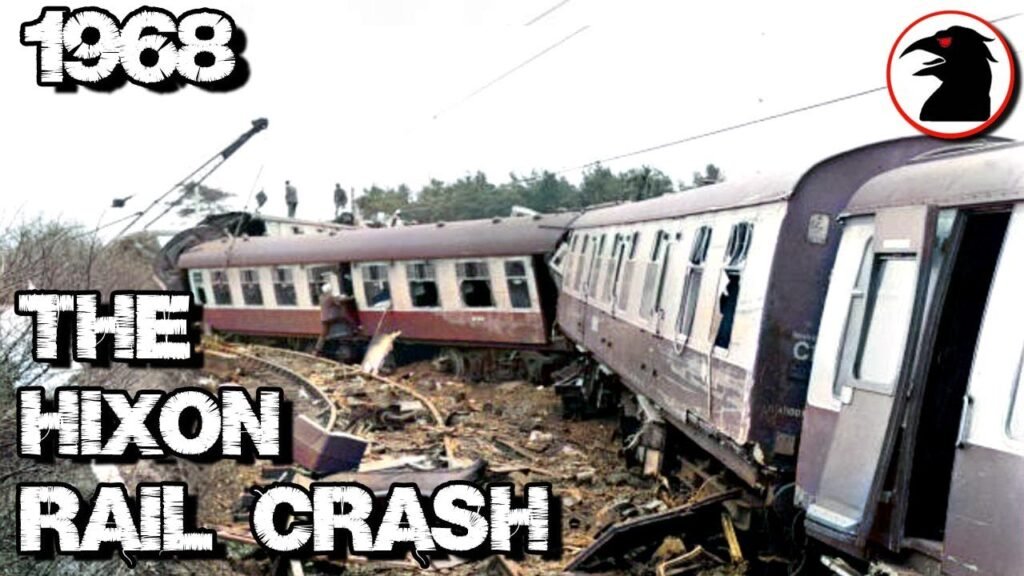
The primary cause of the accident was the heavy transporter’s inability to clear the crossing before the train arrived. The vehicle became grounded due to its length and weight, preventing it from moving quickly enough to avoid the approaching train. Once stranded, there was no effective method to alert railway operators in sufficient time to stop rail traffic.
Communication failures also played a major role in the disaster. At the time, there were no clear procedures requiring operators of abnormal road loads to coordinate with railway authorities before crossing automatic level crossings. The accident exposed weaknesses in transport planning, risk assessment, and operational communication, all of which contributed to the collision.
Hixon Rail Crash Victims
The Hixon Rail Crash victims included passengers travelling on the express train and members of the railway crew. Eleven people lost their lives during the collision, while approximately forty-five others suffered injuries, several of them serious. Emergency services worked tirelessly to rescue survivors from the damaged carriages and provide urgent medical treatment.
The emotional impact extended far beyond those directly involved. Families mourned the loss of loved ones, while the local community and railway workers were deeply affected by the tragedy. Memorials and historical records continue to honour the victims, ensuring that their memory remains an important part of Britain’s railway heritage.
The Official Hixon Rail Crash Report
Following the accident, a detailed public inquiry was launched to establish exactly what had happened. The Hixon Rail Crash report examined witness testimony, railway operating procedures, engineering evidence, signalling systems, and the actions of those involved before and during the accident. The investigation aimed to identify both immediate and underlying causes.
The inquiry concluded that the communication arrangements between heavy haulage companies and British Rail were inadequate. It recommended stronger procedures for notifying railway authorities before transporting oversized loads across level crossings. The report also encouraged improvements in warning systems, staff guidance, and public safety measures that would later become standard practice.
How the Hixon Rail Crash Changed Railway Safety
One of the most significant outcomes of the disaster was the introduction of improved railway safety regulations throughout the United Kingdom. Transport operators carrying abnormal loads were required to notify railway authorities before crossing tracks, allowing appropriate safety precautions to be implemented in advance.
Railway companies also introduced better operational guidance for level crossings, upgraded warning systems, and improved staff training programmes. These changes greatly reduced the likelihood of similar accidents and demonstrated how valuable lessons could emerge from a tragic event. The improvements influenced railway policy for many years afterwards.
Hixon Rail Crash Photos and Historical Records
Many Hixon Rail Crash photos survive today and provide valuable historical evidence of the accident. Images captured by newspapers, emergency responders, and official investigators show the damaged locomotive, destroyed railway carriages, and overturned heavy transporter. These photographs help historians understand both the severity and scale of the collision.
In addition to photographs, numerous historical documents remain available through railway archives and museums. Newspaper reports, documentary films, public inquiry papers, and educational resources continue to preserve the history of the accident, ensuring future generations can learn from one of Britain’s most important railway disasters.
Public Reaction and Media Coverage
The disaster received widespread attention throughout the United Kingdom. National newspapers carried front-page stories detailing the collision, while television news programmes broadcast scenes from the accident site and interviewed witnesses. Public concern grew rapidly as people questioned the safety of automatic level crossings across the country.
The intense media coverage placed considerable pressure on transport authorities and government officials to investigate the incident thoroughly. As a result, railway safety became a national priority, encouraging faster implementation of the recommendations made during the official inquiry and reassuring the public that improvements would be introduced.
Legacy of the Hixon Rail Crash
The lasting legacy of the Hixon Rail Crash is reflected in the many safety reforms introduced after the tragedy. The accident demonstrated that successful transport systems depend not only on modern technology but also on effective communication, careful planning, and cooperation between different organisations responsible for road and rail operations.
Today, the incident continues to be studied by railway engineers, transport planners, and safety investigators. It is frequently referenced in professional training programmes because it illustrates how small procedural failures can lead to catastrophic consequences. The lessons learned continue to influence railway safety standards throughout Britain.
Interesting Facts About the Hixon Rail Crash
One remarkable aspect of the accident is that it involved one of the heaviest abnormal road loads ever struck by a British passenger train. The transformer weighed around 120 tons, making the collision especially destructive. Despite the severity of the impact, emergency services responded quickly and worked courageously to rescue survivors.
Another important fact is that the disaster fundamentally changed the way abnormal road loads are managed in Britain. Many of today’s safety procedures, including advance notification requirements and improved level crossing guidance, can trace their origins directly to the recommendations made following the Hixon inquiry.
Conclusion
The Hixon Rail Crash remains one of the defining moments in British railway history. Although the tragedy claimed eleven lives and left many others injured, it also exposed weaknesses that had previously gone unnoticed. The accident prompted a thorough investigation and inspired safety improvements that continue to protect passengers, railway workers, and road users today.
Remembering the Hixon Rail Crash is about more than recalling a historic disaster. It is about recognising the importance of continuous improvement in transport safety, learning from past mistakes, and ensuring that future generations benefit from the lessons gained through careful investigation and meaningful reform.