NCFE Music Technology is a practical qualification designed for students who want to understand how modern music is created, recorded, edited, and produced using digital tools. As the music industry continues to evolve through technology, streaming platforms, and digital production methods, learning how to use professional music software and equipment has become an important skill for future musicians, producers, and creative professionals.


The course provides learners with an opportunity to explore the technical and creative sides of music production. Unlike traditional music qualifications that mainly focus on performance and theory, this subject gives students hands-on experience with digital audio workstations, recording equipment, sound editing, composition techniques, and production methods used in real-world studios.
Students studying this qualification can develop valuable skills that apply across many creative industries. Whether someone wants to become a music producer, sound engineer, composer, audio technician, or simply improve their understanding of music technology, the course provides a strong foundation for future learning and career development.
What Is NCFE Music Technology?
NCFE Music Technology is a vocational qualification that teaches students how to create and manipulate sound using modern technology. It introduces learners to the processes behind professional music production, including recording, arranging, mixing, mastering, and digital composition. The course combines practical activities with technical knowledge, allowing students to understand both the creative and scientific elements of producing music.
A major advantage of this qualification is its focus on real-world skills. Students learn how professional producers use digital audio workstations (DAWs), microphones, controllers, effects processors, and editing tools to transform ideas into finished tracks. They also explore how different production choices influence the final sound of a piece of music.
The qualification is suitable for students who enjoy creativity, technology, and problem-solving. Previous experience in playing an instrument or reading music can be useful, but it is not always essential because the course focuses strongly on production skills and digital creativity.
NCFE Music Technology Level 1/2 Technical Award Explained
The NCFE Music Technology Level 1/2 Technical Award is one of the most popular routes for students aged 14 to 16 who want to study music production. It is designed to provide learners with an introduction to the music technology industry while developing practical abilities that can support further education and employment opportunities.
This qualification allows students to explore important areas of music production, including recording techniques, music creation, audio editing, and sound design. Learners complete practical assignments where they can apply their knowledge and develop confidence using professional music technology equipment and software.
The Level 1/2 qualification is often considered a GCSE-level alternative because it combines academic understanding with practical skills. Students are assessed through coursework, projects, and examinations that measure their ability to use music technology effectively and creatively.
NCFE Music Technology Specification and Course Structure
The NCFE Music Technology specification provides detailed information about the knowledge, skills, and assessment requirements students need to complete the qualification successfully. Understanding the specification helps learners recognise the key areas of study and prepare effectively throughout the course.
The course content normally covers a wide range of music production topics. Students learn about digital audio workstations, audio recording, MIDI sequencing, editing techniques, mixing processes, and the use of sound effects. These areas help learners understand how modern music is produced from the initial creative idea through to the final mastered track.
Practical projects are an important part of the learning experience. Students may be required to create original compositions, produce recordings, experiment with different sounds, and evaluate their finished work. These activities encourage creativity while developing technical knowledge that reflects industry practices.
NCFE Music Technology Level 2 Specification and Advanced Skills
The NCFE Music Technology Level 2 specification focuses on developing stronger production abilities and deeper technical understanding. Students working at this level are expected to demonstrate greater independence when planning, creating, and improving their music projects.
At Level 2, learners can explore more advanced production methods, including detailed mixing techniques, professional arrangement approaches, and improved sound editing skills. They gain a better understanding of how different elements work together to create a polished final production.
This level also helps students prepare for future progression. Those who complete Level 2 may continue to higher-level courses, explore creative apprenticeships, or develop portfolios that demonstrate their abilities to colleges and potential employers.
Assessment Methods and Course Requirements
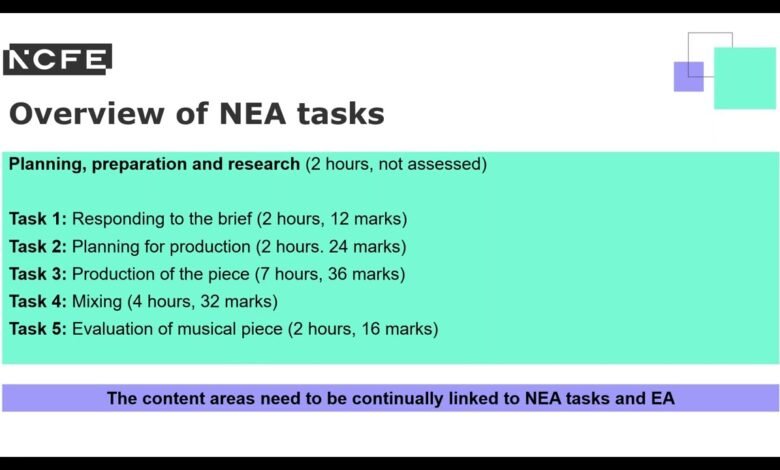
Assessment for NCFE Music Technology usually combines practical coursework with externally assessed tasks. This approach ensures that students are tested not only on their theoretical understanding but also on their ability to apply skills in realistic music production situations.
Coursework plays an important role because music technology is a practical subject. Students may complete projects involving recording, composition, sound creation, and production evaluation. These tasks allow learners to demonstrate creativity while showing their understanding of technical processes.
To achieve strong results, students should regularly practise using music software and review their progress. Building confidence with digital audio workstations, improving listening skills, and understanding production terminology can help learners perform better in assessments.
NCFE Music Technology Past Papers and Revision Guide
NCFE Music Technology past papers are valuable resources for students preparing for exams and assessments. They help learners become familiar with question styles, understand important topics, and practise applying their knowledge in exam conditions. Reviewing previous papers can also highlight areas where additional revision is needed.
A good NCFE Music Technology revision guide should cover essential topics such as recording equipment, audio editing, production techniques, MIDI systems, mixing methods, and studio terminology. Students should create organised revision notes and regularly review important concepts throughout the course.
Practical revision is equally important. Instead of only memorising information, learners should spend time creating projects, experimenting with different production techniques, and analysing professional music. Combining theory with practical experience creates a deeper understanding of how music technology works.
NCFE Music Technology Grade Boundaries and Results
NCFE Music Technology grade boundaries determine the marks required to achieve different grades within the qualification. These boundaries help students understand how their performance is measured and what level of achievement is needed for a pass, merit, distinction, or higher result.
Students aiming for excellent grades should focus on meeting all assessment requirements and developing strong technical skills. Attention to detail, creativity, organisation, and the ability to explain production decisions can all contribute to achieving higher marks.
Regular feedback from teachers and careful evaluation of completed projects can help students improve. Successful learners often review their previous work, identify weaknesses, and continue developing their production skills throughout the course.
NCFE Music Technology Level 3 Progression Opportunities
NCFE Music Technology Level 3 provides an opportunity for students who want to continue developing advanced skills in music production and audio technology. It builds on previous knowledge and introduces more professional approaches to creating and managing music projects.
At Level 3, learners can explore advanced production techniques, industry practices, creative project development, and professional portfolio creation. This level can help prepare students for university courses, specialist training, and careers within the music and media industries.
Students interested in professional music production can benefit from continuing their education beyond Level 2. Developing advanced technical abilities and gaining practical experience can improve future career opportunities.
Careers After Studying NCFE Music Technology
Studying NCFE Music Technology can lead to many exciting career pathways within the creative sector. The skills developed during the course are useful for careers such as music production, recording engineering, sound design, broadcasting, film audio, gaming audio, and digital content creation.
The modern creative industry relies heavily on professionals who understand both technology and creativity. As more artists and companies create digital content, the demand for skilled audio specialists continues to grow. Students who develop strong production abilities can work independently, join studios, or continue building their own creative projects.
Creating a portfolio of work during the course can be extremely valuable. A collection of completed tracks, recordings, and production projects can demonstrate practical ability and help students showcase their talents to educational institutions and employers.
Conclusion
NCFE Music Technology provides students with a valuable opportunity to explore the relationship between creativity and technology. The qualification develops practical production skills while teaching learners how modern music is created, recorded, and shared with audiences around the world.
From Level 1 and Level 2 study options to advanced progression routes, the course supports students at different stages of their learning journey. With effective revision, regular practice, and a passion for creativity, learners can develop skills that support future education and careers in the growing music technology industry.