Frailty Index Score Calculator UK: Calculate Your NHS Frailty Score & Understand Results

A frailty index score calculator UK is an important health assessment tool designed to help individuals and healthcare professionals understand a person’s level of frailty and potential health risks. Frailty is a condition where the body becomes less able to recover from illness, injury, or stressful events because of a gradual reduction in physical and functional reserves. Although frailty is more common among older adults, it is not simply a normal part of ageing and can vary greatly between individuals.

In the UK, frailty assessments are widely used within healthcare settings to support early identification and personalised care planning. The NHS uses recognised assessment methods, including the electronic Frailty Index (eFI) and Clinical Frailty Scale (CFS), to understand how different health conditions and daily living challenges affect a person’s wellbeing. A frailty index score calculator UK helps explain these measurements and provides valuable insight into how frailty levels are determined.
What Is a Frailty Index Score?
A frailty index score is a measurement that shows how many health-related problems or deficits a person has compared with the total number of possible factors assessed. These deficits may include long-term medical conditions, mobility difficulties, physical limitations, symptoms, cognitive changes, and problems affecting independence. Instead of focusing on one illness, the frailty index looks at a combination of different health concerns to create an overall picture.
The idea behind frailty scoring is based on the accumulation of health deficits over time. A person with several health challenges may have a higher frailty score, while someone with fewer health concerns may have a lower score. The result does not predict exactly what will happen in the future but provides useful information about possible healthcare needs, support requirements, and areas where preventative action may help.
How Does a Frailty Index Score Calculator UK Work?
A frailty index score calculator UK works by analysing different health factors and calculating the proportion of deficits present. The electronic Frailty Index (eFI), which is commonly used within NHS healthcare systems, reviews information from patient records to identify signs of frailty. This allows healthcare professionals to recognise individuals who may require additional monitoring, support, or care planning.
The calculation is based on the deficit accumulation model. For example, if a person has nine health deficits out of 36 possible indicators, the calculation would be 9 divided by 36, giving a frailty index score of 0.25. This score can then be interpreted according to recognised categories, helping healthcare providers understand whether someone may have mild, moderate, or severe frailty.
NHS Electronic Frailty Index and Frailty Assessment
The NHS electronic Frailty Index plays a significant role in identifying frailty among adults aged 65 and over. It uses information already available in electronic health records, including medical conditions, symptoms, disabilities, and other health indicators. This approach allows GP practices and healthcare teams to identify people who may benefit from proactive support before serious health problems develop.
The purpose of NHS frailty assessment is not only to measure risk but also to improve the quality of care. By recognising frailty earlier, healthcare professionals can create personalised plans that focus on maintaining independence, preventing avoidable hospital admissions, managing existing conditions, and improving overall quality of life. A frailty score is therefore a helpful guide rather than a final medical judgement.
Understanding Frailty Score Categories and Results
Frailty index scores are usually divided into categories that indicate different levels of vulnerability. Lower scores generally represent fewer health deficits, while higher scores suggest a greater accumulation of health problems. Understanding these categories can help individuals and families have more informed discussions with healthcare professionals about future care and support.
The electronic Frailty Index commonly uses categories such as fit, mild frailty, moderate frailty, and severe frailty. A score between 0.00 and 0.12 may indicate a fit category, while a score between 0.13 and 0.24 may suggest mild frailty. Moderate frailty is often associated with scores between 0.25 and 0.36, while higher scores may indicate severe frailty. However, every person should be assessed according to their individual circumstances.
Difference Between Frailty Index and Clinical Frailty Scale
The frailty index and Clinical Frailty Scale are both recognised methods of assessing frailty, but they measure different aspects of health. The frailty index focuses on the number of health deficits a person has, using medical information and functional indicators to calculate a score. It provides a detailed numerical assessment based on multiple health factors.
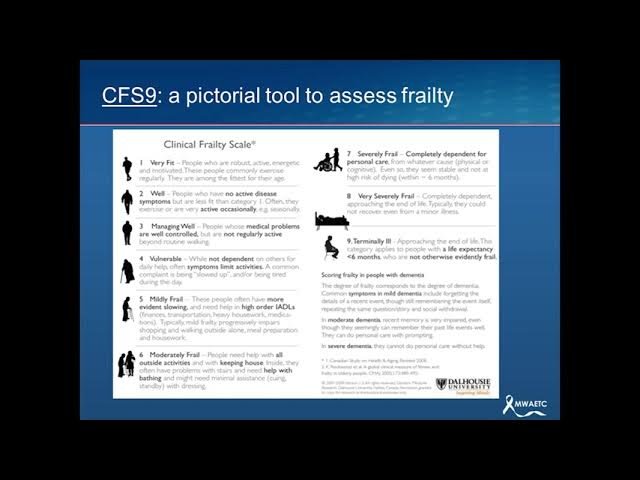
The Clinical Frailty Scale, on the other hand, focuses more on a person’s overall function, mobility, independence, and ability to complete everyday activities. It uses a rating system from 1 to 9, where lower scores represent very fit individuals and higher scores indicate increasing levels of frailty. Healthcare professionals may choose different tools depending on the purpose of the assessment and the patient’s situation.
Benefits of Using a Frailty Assessment Tool
A frailty assessment tool can provide several benefits by helping identify health risks before they become more serious. Early recognition of frailty allows individuals, families, and healthcare professionals to consider ways to maintain strength, improve mobility, and protect independence. These assessments can also support better communication between patients and care teams.
Using a frailty index score calculator UK can help people understand the factors that influence frailty and encourage them to take positive steps towards healthier ageing. Although online calculators are not a replacement for professional medical assessment, they can provide educational information and help people prepare questions for discussions with their GP or healthcare provider.
Factors That Can Affect Frailty Scores
Frailty levels can change over time and are influenced by many different factors. Age may increase the likelihood of frailty, but it is only one part of the overall picture. Long-term illnesses, reduced muscle strength, poor nutrition, falls, limited physical activity, and cognitive difficulties can all contribute to changes in frailty status.
Lifestyle habits and healthcare support can play an important role in maintaining health and reducing frailty risks. Regular physical activity, balanced nutrition, effective management of medical conditions, and staying socially connected can help support physical and mental wellbeing. Monitoring health changes and seeking advice early can also improve long-term outcomes.
How to Reduce Frailty Risk and Support Healthy Ageing
Frailty risk can often be managed through practical lifestyle changes and appropriate healthcare support. Strength and balance exercises are particularly valuable for older adults because they help maintain muscle function, improve stability, and reduce the likelihood of falls. Even gentle daily movement can contribute to better physical confidence and independence.
Nutrition is another important factor in healthy ageing. Eating a balanced diet with enough protein, vitamins, and essential nutrients supports muscle health and energy levels. Regular health reviews, medication checks, and early management of health concerns can also help individuals remain active and maintain a better quality of life.
When Should You Seek Professional Healthcare Advice?
A frailty score should be considered as an assessment guide rather than a diagnosis. Individuals experiencing frequent falls, unexplained weight loss, reduced ability to manage daily activities, worsening fatigue, or noticeable changes in memory should seek advice from a healthcare professional. Early assessment can help identify appropriate support and prevent further decline.
Healthcare professionals consider many factors beyond a calculator result, including medical history, personal circumstances, lifestyle, and individual goals. A frailty index score calculator UK can provide useful information, but a complete healthcare assessment is essential for accurate interpretation and personalised recommendations.
Conclusion
A frailty index score calculator UK provides a valuable way to understand how frailty is assessed and how different health factors contribute to an overall frailty score. By examining multiple areas of health, frailty assessments help identify individuals who may benefit from additional support, lifestyle improvements, or personalised healthcare planning.
The NHS electronic Frailty Index and other recognised assessment methods are designed to encourage early identification and better management of frailty. While calculators can improve awareness and understanding, they should always be used alongside professional healthcare advice to ensure accurate results and appropriate support.