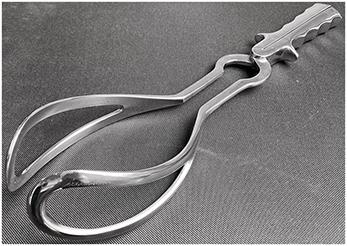
Neville Barnes forceps delivery is an established method of operative vaginal birth used when assistance is required during the second stage of labour. It is widely recognised in obstetric practice for its ability to support safe and controlled delivery when spontaneous progress becomes difficult. This technique is especially important in modern maternity care, where timely intervention can significantly improve maternal and fetal outcomes.


Neville Barnes forceps delivery is often selected when labour becomes prolonged or when fetal distress is detected. The procedure allows clinicians to guide the baby through the birth canal with precision while reducing the risk of complications. In UK obstetrics, this approach is considered a vital part of emergency and planned assisted delivery strategies, particularly when caesarean section may not be immediately necessary.
Design and Structure of Neville Barnes Forceps
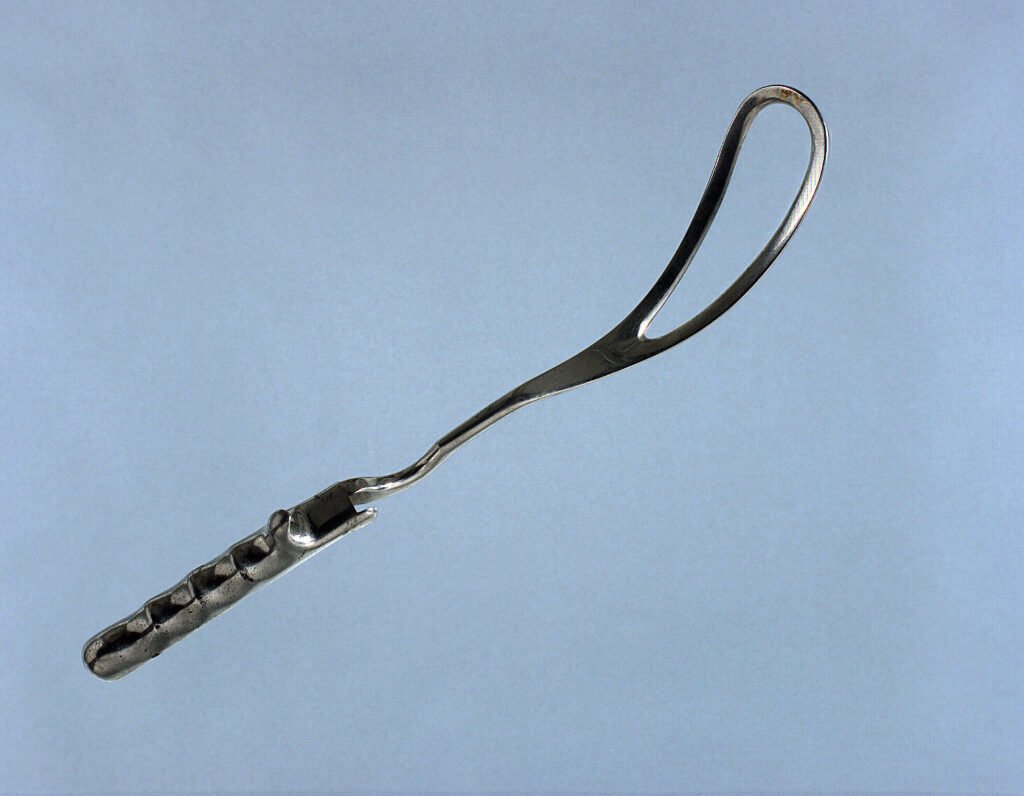
The design of Neville Barnes forceps is carefully engineered to match the anatomical structure of the female pelvis and fetal head. It includes a cephalic curve that gently holds the baby’s head and a pelvic curve that aligns with the birth canal. These features ensure controlled traction and minimise trauma during delivery, making the instrument highly effective in skilled hands.
In comparison to other obstetric instruments, such as Simpson or Kielland forceps, Neville Barnes forceps are particularly suited for occipito-anterior positions. Neville Barnes forceps delivery relies heavily on correct alignment and operator expertise, as the long shanks and axis traction handle allow precise guidance through the mid and lower pelvic cavity. This makes them versatile in complex labour scenarios.
Indications for Neville Barnes Forceps Delivery
The indications for Neville Barnes forceps delivery include both maternal and fetal factors that require assisted birth. Maternal exhaustion, prolonged second stage of labour, or medical conditions such as hypertension may necessitate intervention. Fetal distress detected through monitoring is another critical indication where rapid delivery becomes essential to ensure safety and prevent complications.
In clinical practice, Neville Barnes forceps delivery is only considered when specific prerequisites are met. These include full cervical dilation, ruptured membranes, and an engaged fetal head in a suitable position. Careful assessment is essential before proceeding, as improper selection of cases can increase risks for both mother and baby.
Contraindications and Clinical Assessment
There are several contraindications where Neville Barnes forceps delivery should not be attempted. These include incomplete cervical dilation, unengaged fetal head, or unclear fetal positioning. Attempting forceps delivery under these conditions can result in serious complications and is therefore avoided in safe obstetric practice.
Clinical assessment plays a critical role in decision-making. Obstetricians must evaluate maternal condition, fetal position, and labour progress before considering intervention. Proper judgement ensures that Neville Barnes forceps delivery is performed only when benefits outweigh risks, maintaining safety as the top priority in operative vaginal birth.
Step-by-Step Technique of Neville Barnes Forceps Delivery
The procedure for Neville Barnes forceps delivery begins with careful preparation, including maternal positioning, analgesia, and informed consent. The patient is typically placed in a lithotomy position, and aseptic technique is strictly followed. Adequate analgesia, such as epidural or spinal anaesthesia, ensures comfort and cooperation during the procedure.
Each blade of the forceps is inserted separately and guided along the fetal head with precision. Once correctly positioned, the instrument is locked and gentle traction is applied in coordination with uterine contractions. The clinician carefully follows the pelvic axis to ensure safe descent of the fetal head, completing delivery with controlled and gradual movement.
Clinical Use and Decision-Making in Obstetrics
Neville Barnes forceps delivery is commonly used in situations where rapid yet controlled delivery is required. It is often preferred over vacuum extraction when more precise control of the fetal head is needed. The decision to use forceps depends on clinical judgement, fetal condition, and maternal health status, ensuring that intervention is appropriate and timely.
In modern obstetrics, Neville Barnes forceps delivery continues to play a significant role in reducing unnecessary caesarean sections. It provides an effective alternative when vaginal delivery is still achievable but requires assistance. This decision-making process is guided by established protocols and clinical experience to ensure optimal outcomes.
Maternal and Fetal Outcomes
Outcomes following Neville Barnes forceps delivery are generally positive when performed under appropriate conditions. Most mothers experience successful vaginal delivery with manageable recovery periods. Minor perineal trauma may occur, but serious complications are relatively rare when the procedure is carried out by trained professionals.
For newborns, outcomes are typically favourable with only temporary effects such as mild bruising or facial marks. In most cases, these resolve quickly without long-term consequences. Neville Barnes forceps delivery, when properly executed, supports safe transition from intrauterine to external life with minimal risk.
Complications and Management
Although generally safe, Neville Barnes forceps delivery can be associated with complications if not performed correctly. Maternal complications may include perineal tears, soft tissue injury, or postpartum haemorrhage. These risks are significantly reduced through proper technique and careful patient selection.
Neonatal complications may include temporary nerve irritation or superficial facial injuries. However, these are usually minor and resolve without intervention. Preventive strategies, including adequate training and adherence to guidelines, are essential in minimising risks associated with operative vaginal birth.
Training and Competency in the UK
In the UK, training for Neville Barnes forceps delivery is a structured part of obstetric education. Trainees undergo supervised practice and simulation-based learning to develop competence in operative vaginal delivery. This ensures that clinicians are fully prepared before performing procedures independently.
Ongoing professional development is essential in maintaining high standards of care. Regular assessments, audits, and adherence to NHS guidelines ensure that forceps delivery is performed safely. Competency-based training helps maintain confidence and reduces complications in clinical practice.
Conclusion
Neville Barnes forceps delivery remains an important technique in modern obstetrics, offering a reliable method for assisted vaginal birth. When used appropriately, it provides safe outcomes for both mother and baby and reduces the need for surgical intervention in selected cases.
The continued relevance of Neville Barnes forceps delivery highlights the importance of preserving essential obstetric skills. With proper training, clinical judgement, and adherence to guidelines, it remains a valuable and effective option in contemporary maternity care.