The lighthouse wolverhampton has been widely recognised as a significant independent cultural venue in the heart of the city. It developed a strong reputation as both a cinema and a creative hub where film enthusiasts, artists, and local communities gathered. Over time, it became associated with alternative film culture and community-driven events that shaped Wolverhampton’s creative identity in a meaningful way.


The lighthouse wolverhampton also attracted attention from visitors searching for unique cinema experiences beyond mainstream entertainment. It offered a space where independent storytelling, cultural expression, and artistic screenings were highly valued. Even today, interest remains strong as people continue to search for its history, location details, and updates about what the venue represents in the city’s cultural landscape.
History of the lighthouse wolverhampton
The lighthouse wolverhampton originated as part of the Light House Media Centre, which was established to support film, photography, and creative arts in Wolverhampton. It quickly became known as a respected independent cinema offering a carefully curated selection of films. Its early mission focused on promoting cultural education and providing a platform for emerging filmmakers and artists.
Over the years, the lighthouse wolverhampton expanded its role beyond cinema screenings. It hosted exhibitions, workshops, and community events that strengthened its reputation as a cultural institution. The venue became an important part of Wolverhampton’s artistic heritage, and even after operational changes, it continues to be remembered as a landmark of independent cinema culture in the region.
Location and accessibility of the lighthouse wolverhampton
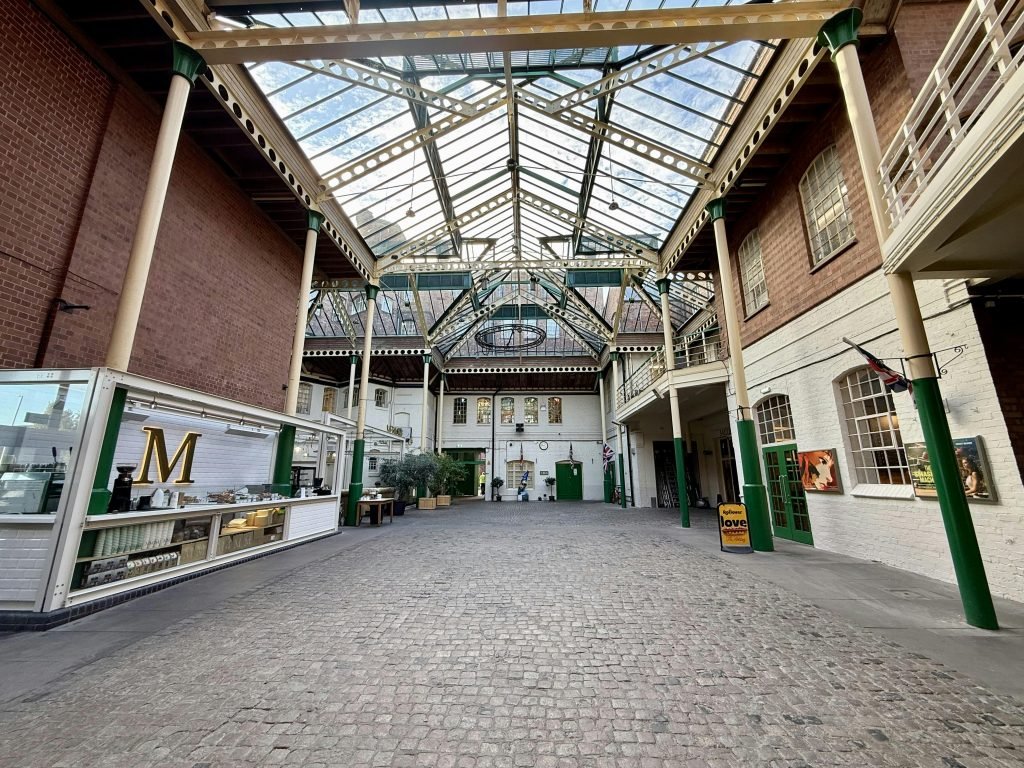
The lighthouse wolverhampton was located in the Chubb Buildings area within Wolverhampton city centre, making it highly accessible for both residents and visitors. Its central positioning allowed easy access via public transport links, including nearby bus routes and Wolverhampton railway station, which connected the venue to surrounding towns and cities.
The lighthouse wolverhampton benefited from its surrounding urban environment, which included restaurants, shops, and other cultural attractions. This made it a convenient destination for visitors planning a full day out in the city centre. Its location contributed significantly to its popularity, as audiences could easily combine cinema visits with wider leisure and cultural experiences.
Parking at the lighthouse wolverhampton
Parking at the lighthouse wolverhampton was an important consideration for many visitors travelling by car. Several public car parks were available within walking distance of the venue, offering both short-stay and long-stay options. These facilities made it relatively easy for audiences to attend screenings without major parking difficulties in most cases.
The lighthouse wolverhampton also benefited from limited street parking in surrounding areas, although availability often depended on time of day and local restrictions. Evening screenings generally provided more flexibility for parking spaces. Visitors often planned ahead to ensure a smooth experience, particularly during busy cultural events or popular film screenings.
What’s on at the lighthouse wolverhampton
The lighthouse wolverhampton was well known for its diverse and thoughtfully curated cultural programme. It regularly showcased independent films, documentaries, and international cinema that appealed to audiences looking for alternatives to mainstream movie chains. This unique programming helped establish its identity as a hub for artistic and creative expression.
Many people searching for what’s on at the lighthouse wolverhampton were interested in discovering films and events that offered deeper storytelling and cultural insight. The venue frequently updated its schedule with themed screenings and seasonal events. This variety ensured that audiences always had something new and engaging to explore within the independent cinema scene.
The lighthouse wolverhampton films and cinema listings
The lighthouse wolverhampton films included a wide selection of independent productions, foreign language cinema, and critically acclaimed documentaries. The venue was known for prioritising artistic quality over commercial appeal, which made it especially popular among film enthusiasts who appreciated thought-provoking and alternative storytelling formats.
The lighthouse wolverhampton cinema listings were an essential resource for audiences who wanted to plan their visits in advance. These listings typically featured weekly or monthly schedules outlining upcoming screenings and special events. The structured programming helped maintain strong engagement with the local community and ensured consistent interest in its film offerings.
Tickets and visitor experience at the lighthouse wolverhampton
Tickets for the lighthouse wolverhampton were generally affordable, making independent cinema accessible to a wide audience. Discounts were often available for students, seniors, and members, encouraging regular attendance and community participation. Booking options typically included online reservations as well as in-person ticket purchases depending on the event schedule.
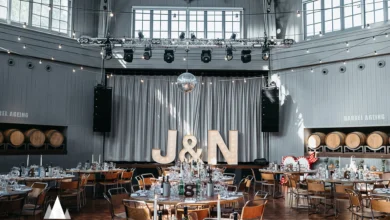
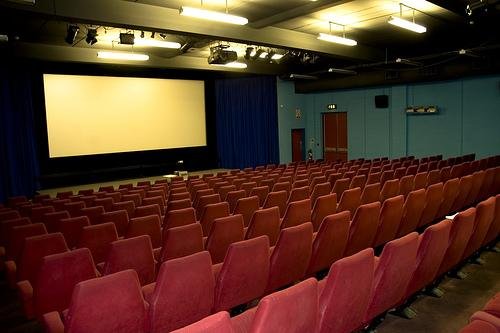
The lighthouse wolverhampton offered a unique visitor experience that went beyond traditional cinema viewing. Its intimate screening rooms, combined with gallery spaces and a café bar, created a welcoming cultural environment. This blend of film, art, and social interaction made it a memorable destination for those seeking more than just a standard cinema experience.
Conclusion on the lighthouse wolverhampton
The lighthouse wolverhampton remains an important part of Wolverhampton’s cultural history and continues to attract interest from people searching for its legacy and impact. It played a vital role in supporting independent cinema, creative expression, and community engagement, leaving behind a lasting impression on the local arts scene.
Today, the lighthouse wolverhampton is still remembered as a symbol of artistic innovation and cultural contribution. Although its cinema operations have evolved, its influence continues through ongoing interest in its history, location, and film programming. It stands as a reminder of the importance of independent cultural spaces within modern cities.